How Can a Period Underwear Manufacturer Support Your Brand?
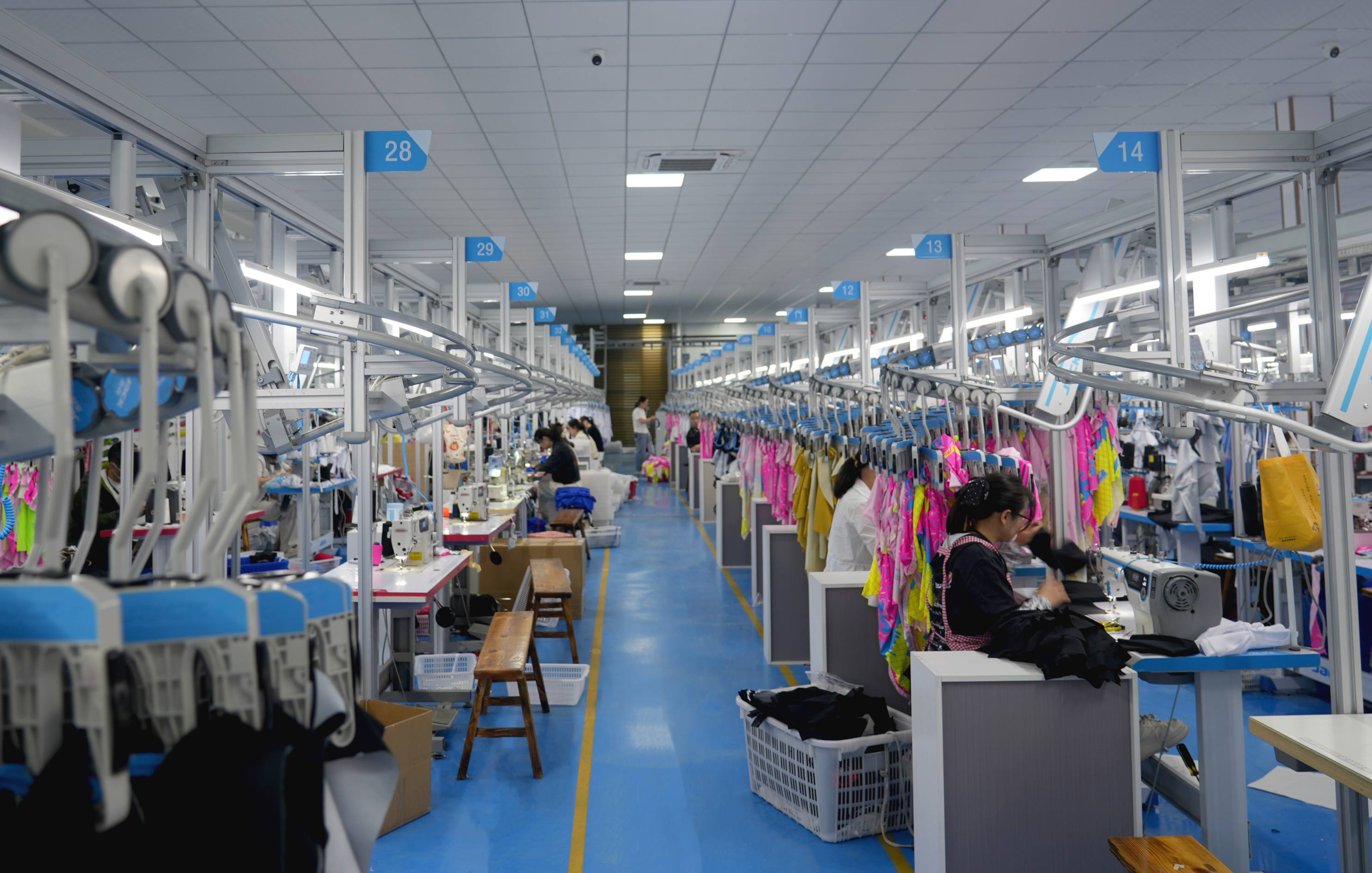
A period underwear manufacturer can support a brand from fabric selection and gusset engineering to sizing, testing, packaging, and repeat production. A typical product uses 3–5 functional layers, while commercial programs may span 5–8 sizes and several absorbency levels. With 10,000 units, even a 2% defect rate creates 200 affected garments. Manufacturers that control specifications, wash testing, material traceability, and production tolerances can reduce avoidable variation while helping brands manage MOQ, lead times, product claims, and costs across the US, UK, and EU markets.
A brand normally arrives with a target customer, price range, silhouette, and absorbency level, but a factory needs measurable specifications. A brief described as “high-rise with heavy protection” still needs waist and hip measurements, stretch requirements, gusset length, seam type, fabric weight, tolerances, and size grading. With 6 sizes and 12 measurement points per size, one style can already involve 72 dimensional specifications before colors or packaging are added.
That specification work becomes more important because period underwear is a textile system rather than ordinary underwear with extra padding. Many constructions use 3–5 layers around the gusset: a skin-contact layer for moisture transfer, one or more absorbent layers, a liquid-resistant membrane, and an outer fabric. Adding material can increase laboratory capacity, but thickness can also affect flexibility, drying time, washing, and how noticeable the gusset feels during wear.
A useful specification does not say only “heavy absorbency.” It records the material, test method, sample condition, target result, wash state, and acceptable production tolerance.
Testing therefore needs defined conditions. ISO 6330:2021 provides procedures for domestic washing and drying used in textile testing, while ISO 5077:2007 covers dimensional change after washing and drying. A factory developing washable underwear can use recognized methods as part of a repeatable testing program instead of relying on a single hand-washed sample. Testing 5 garments after repeated care cycles gives more information about consistency than approving one untouched prototype.
Material selection follows the same measurable approach. A body fabric containing 90–95% modal or cotton and 5–10% elastane can behave differently from a lightweight nylon-elastane fabric in recovery, drying, shrinkage, and hand feel. Fabric weight may also differ by tens of grams per square meter. The manufacturer needs to check how each material behaves with the waterproof layer, elastic, stitching, and gusset construction rather than assessing softness alone.
Material chemistry also matters for brands selling into Europe. REACH has applied in the EU since 2007 and regulates chemical substances, including substances that may be present in textile articles. Suppliers may therefore be asked for composition records, chemical-test reports, declarations, or documentation relating to restricted substances. A brand making additional claims such as “PFAS-free” needs documentation appropriate to the wording and market instead of treating a supplier statement as universal proof.
Once materials are selected, sampling shows whether the specifications work on a body. A development sequence may include a prototype, revised fit sample, size set, color sample, and pre-production sample. If a collection contains 4 silhouettes across 6 sizes, checking only one medium sample leaves 23 style-size combinations unobserved. Size-set review helps identify grading problems around leg openings, rise, waist tension, and gusset position before bulk cutting begins.
Fit changes also affect functional coverage. Moving a gusset 20 mm backward, changing the rise by 15 mm, or increasing leg-opening tension can alter how the garment sits during movement and sleep. For overnight underwear, rear coverage may be more important than it is for a light-flow bikini. A manufacturer should therefore connect pattern revisions with intended use instead of treating absorbency and fit as separate specifications.
That connection becomes important when a brand creates several absorbency levels. A light-flow product may prioritize thinness and fast drying, while an overnight style may use a longer absorbent zone or additional retention material. Brands often describe capacity using tampon equivalents, but tampon absorbency categories are defined within specific regulatory or industry contexts. A claim such as “holds 4 tampons” should not be created simply by multiplying an assumed milliliter figure by four.
A better approach is to establish a repeatable finished-garment method and record how many samples were tested. If 10 garments are measured, the brand can examine the average, minimum, maximum, and variation instead of promoting the best result from one sample. A material may absorb a stated amount on its own while the finished garment performs differently because seams, gusset geometry, pressure, movement, and fluid application affect leakage.
Testing the absorbent insert alone does not describe the complete garment. Finished-product testing includes construction details that a material swatch cannot reproduce.
Production quality becomes the next issue once an approved sample moves into bulk manufacturing. At an order size of 20,000 units, a 1% nonconformance rate represents 200 garments; at 3%, the number becomes 600. Inspection therefore needs checkpoints for incoming fabric, cutting, layer placement, stitching, measurements, finishing, labels, and packing rather than one inspection after every unit has been completed.
Measurement tolerances should be written before production. A waist specification might permit a limited difference from the approved measurement, while gusset position may require a tighter tolerance because a small shift affects coverage. The acceptable figure depends on construction and measurement method; using one blanket tolerance for every point is rarely useful. A factory can maintain measurement sheets by size and record inspection results against the approved pre-production sample.
Brands also need to consider inspection sampling rather than assuming every shipment receives a 100% check. ISO 2859-1:1999 describes sampling procedures for inspection by attributes and remains widely referenced in quality-control systems. A buyer and manufacturer can agree on inspection level and acceptance criteria appropriate to the product. The arrangement should state how major, minor, and unacceptable defects are classified before inspectors begin evaluating finished goods.
Traceability supports the same process. Fabric lot numbers, purchase records, production dates, inspection records, and packing information help isolate a problem if one batch behaves differently. If 30,000 garments use three fabric lots, identifying the affected lot can be more practical than treating all 30,000 units as identical. Traceability is particularly useful when repeat orders use the same style over several production periods.
Commercial planning starts to matter as soon as specifications stabilize. MOQ is often more complicated than a single number printed on a quotation. A factory might accept 1,000 garments per style, while a custom-dyed fabric mill requires several hundred kilograms per color and a branded elastic supplier sets a separate minimum. Four colors multiplied across 6 sizes can create 24 SKUs before the brand adds a second silhouette.
For a first order, reducing unnecessary variation can keep inventory manageable. A 4,800-unit order divided across 4 colors and 6 sizes averages only 200 units per SKU before the size curve is adjusted. Adding three silhouettes would create 72 style-color-size combinations. Shared fabrics, common waistbands, fewer launch colors, or standard packaging can lower component fragmentation without changing the product customers actually wear.
Unit cost should therefore be examined alongside inventory exposure. Suppose one supplier quotes $8.20 per garment at 3,000 units and $7.40 at 10,000 units. The larger order saves $0.80 per unit but requires $74,000 of product expenditure rather than $24,600 before freight, duties, warehousing, and marketing. A lower unit price may be less useful when the extra stock takes months to sell.
Manufacturers can also reduce cost through construction work rather than material downgrades. Pattern efficiency affects fabric consumption, while seam count affects sewing time. Using one approved body fabric across 3 styles can improve purchasing efficiency. Standardizing labels or packaging can also reduce separate supplier minimums. Cost discussions are more useful when the factory shows which component or process changed and how the revised specification affects performance.
Private-label work adds another layer of planning. Manufacturers such as Ljvogues may work with brands that require custom fabrics, absorbent structures, colors, labels, waistbands, printed packaging, or size ranges. A program with 5 sizes, 3 colors, and 2 absorbency levels already creates 30 possible variants, so every customization should be recorded in the bill of materials and approved specification rather than handled through messages alone.
Packaging requires similar control because labeling rules differ by destination. In the United States, the Textile Fiber Products Identification Act and related FTC requirements cover areas including fiber-content identification and responsible-company information for covered textile products. Care labeling is also regulated under the FTC's Care Labeling Rule. A manufacturer supplying US brands needs accurate fiber and care information from the approved material specification before labels are printed.
European sales add another set of requirements. Regulation (EU) No 1007/2011 governs textile fibre names and related fibre-composition labeling in the EU. If a garment combines several materials, the brand should confirm how the applicable composition information must be presented for its product and market. Label artwork should therefore be reviewed before bulk printing; correcting 20,000 inaccurate labels after sewing is considerably harder than correcting one digital file.
Production schedules deserve equal attention. A quoted lead time of 45 days does not necessarily include fabric knitting, dyeing, laboratory testing, sample approval, packaging production, or international transport. If custom fabric takes 25 days before cutting can begin, the calendar must account for that stage. Brands should ask suppliers to separate material lead time, manufacturing time, inspection, packing, and shipment preparation rather than requesting one broad delivery estimate.
Repeat orders can become easier when forecasts are shared. If a brand sells an average of 3,000 black briefs per month and replenishment takes 60 days from purchase order to warehouse receipt, waiting until only 1,000 units remain creates an obvious stock risk. Forecast information lets the manufacturer discuss material reservations and capacity before a purchase order arrives, although commercial commitments should still be documented clearly.
Capacity should also be verified before growth requires it. A factory producing 50,000 garments per month may appear sufficient for a brand ordering 5,000 units, but available capacity is different from total factory capacity. Existing customers, seasonal peaks, maintenance, labor availability, and specialized production lines all affect scheduling. Asking how production would change if an order increased by 100% provides more useful information than asking whether the factory can “scale.”
Communication quality can be measured through documentation. A well-managed project should leave an approved tech pack, bill of materials, measurement chart, sample comments, color references, label artwork, packaging specification, testing records, and pre-production approval. If a style has 6 sizes and 10 measured points, the measurement chart alone contains at least 60 size-specific entries. Written records reduce dependence on individual staff members remembering previous conversations.
Supplier evaluation should use comparable questions rather than price alone:
-
Ask for experience with washable absorbent underwear and related bonded or laminated constructions.
-
Request the MOQ by style, color, fabric, and custom component, not only the garment MOQ.
-
Ask which tests are performed on 1 sample and which use larger sample sets.
-
Confirm whether bulk materials must match an approved fabric or color reference.
-
Review how defects are classified and corrected before shipment.
-
Ask for realistic sampling, material, production, and packing timelines.
-
Confirm what traceability records remain available after a 2026 production order ships.
A brand can then compare suppliers on measurable operating details. A factory quoting $0.30 more per unit may provide smaller component minimums, better documentation, or fewer rejected garments. On 10,000 units, the price difference is $3,000. If stronger controls reduce a hypothetical defect level from 3% to 1%, 200 fewer garments are affected, before considering returns, replacements, freight, customer service, or retailer deductions.
The relationship is most useful when the manufacturer can reproduce the approved product over time. A first sample can be made carefully by a small development team; the commercial test arrives when 5,000, 20,000, or 100,000 garments need comparable measurements, materials, stitching, absorbent placement, labeling, and appearance. Repeatability across production lots matters more than one unusually good showroom sample.